

Why C2H Hiring is Becoming the Preferred Staffing Model
In the dynamic world of work, traditional hiring models are constantly being re-evaluated. Amidst this evolution, one staffing strategy is rapidly gaining traction and becoming a go-to for many organizations: Contract-to-Hire (C2H). Far from a temporary fix, C2H offers a strategic pathway to building strong, resilient teams. But what exactly makes this model so appealing, and why is it increasingly becoming the preferred choice for businesses and job seekers alike?
What is Contract-to-Hire (C2H)?
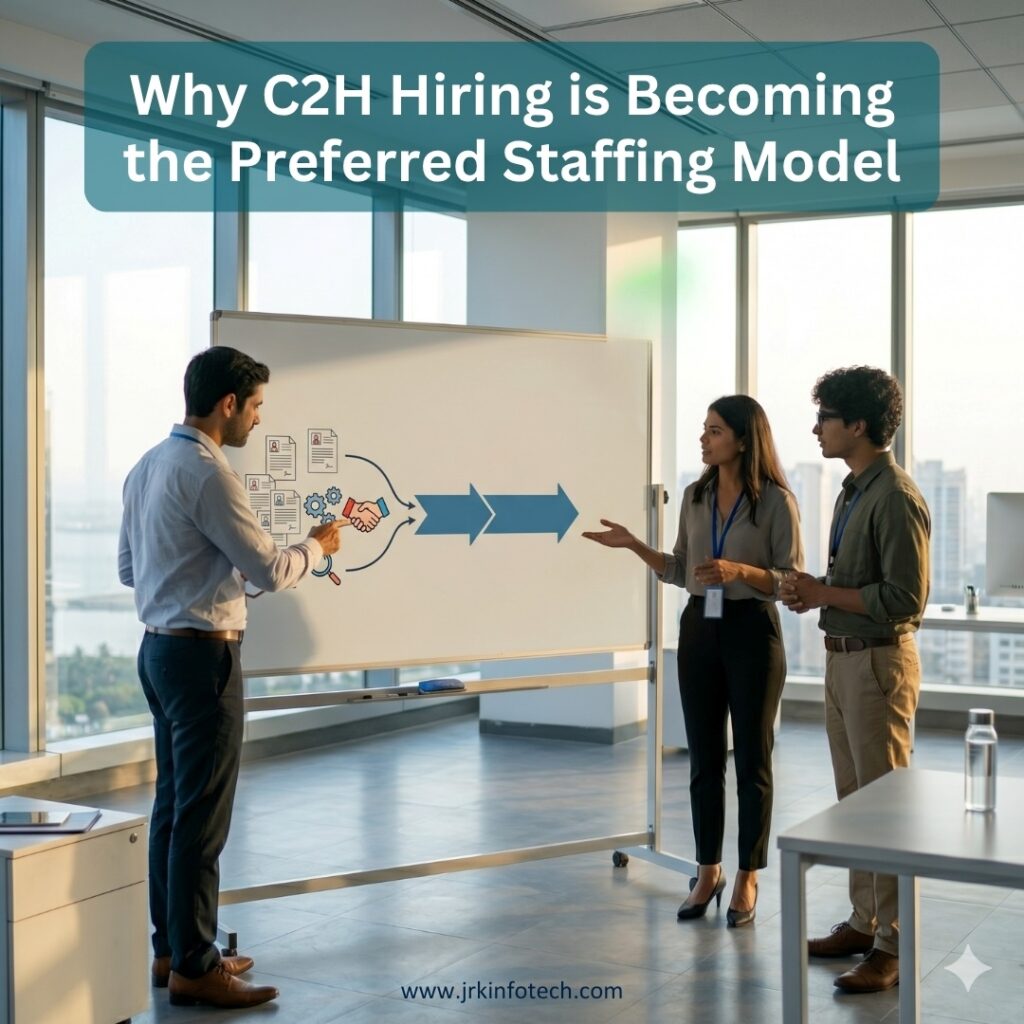
Before diving into its benefits, let’s clarify what C2H entails. Contract-to-Hire is a staffing model where an employee is initially hired for a specific contract period, typically through a staffing agency. During this contract phase, the individual works for the company, performing the duties of the role. At the end of the contract, or sometimes earlier, the company has the option to offer the employee a permanent position.
This model bridges the gap between purely temporary contract work and direct, permanent hiring, offering a “try before you buy” approach for both parties.
The Employer’s Advantage: Reducing Risk and Maximizing Fit
For businesses, C2H hiring presents a compelling suite of advantages that address common recruitment challenges.
Reduced Hiring Risk and “Try Before You Buy”
One of the most significant benefits of C2H is the ability to thoroughly evaluate a candidate’s performance, cultural fit, and work ethic in a real-world setting before making a long-term commitment.
- Performance Assessment: Companies can observe skills in action, assess problem-solving abilities, and ensure the candidate meets expectations.
- Cultural Alignment: It offers an invaluable opportunity to see how an individual integrates with existing teams and aligns with company values – a factor often difficult to gauge in traditional interviews alone.
- Cost of Mis-hire: By mitigating the risk of a bad hire, companies avoid the substantial financial and productivity costs associated with recruitment, onboarding, and potential termination of an unsuitable permanent employee.
Access to Specialized Talent and Flexibility
In today’s competitive talent landscape, finding highly specialized skills can be a significant hurdle. C2H provides a flexible solution.
- Wider Talent Pool: Staffing agencies, often integral to the C2H process, have vast networks, allowing companies to tap into a broader pool of niche talent they might not otherwise reach.
- Project-Based Needs: It allows businesses to bring in specialized expertise for specific projects or peak periods without immediately expanding their permanent headcount, offering greater agility and scalability.
- Market Responsiveness: Companies can quickly adapt to market changes or new project demands by bringing in talent on a contract basis, converting them to permanent as needs solidify.
Streamlined Recruitment and Onboarding
Leveraging C2H often means partnering with a staffing agency, which can significantly streamline the entire hiring process.
- Reduced Administrative Burden: Agencies handle initial screening, background checks, payroll, benefits, and other administrative tasks during the contract phase, freeing up internal HR resources.
- Faster Time-to-Hire: With pre-vetted candidates readily available, companies can fill critical roles much faster than through traditional direct hire processes.
- Smoother Transition: Candidates who convert from contract to permanent are already familiar with the company’s systems, processes, and culture, leading to a more seamless transition and shorter ramp-up time.
The Candidate’s Perspective: A Pathway to Opportunity
C2H isn’t just beneficial for employers; it offers a unique and appealing proposition for job seekers too.
Opportunity to Evaluate Company Culture and Role
Just as companies get to evaluate candidates, candidates get to “try out” a company.
- Real-World Experience: It allows individuals to experience the day-to-day realities of a role and the company’s work environment before committing long-term.
- Cultural Fit Assessment: Candidates can assess if the company culture, management style, and team dynamics are a good fit for their personal preferences and career goals.
- Skill Development: It provides an opportunity to gain new skills or apply existing ones in a new environment, enhancing their resume and marketability.
Pathway to Permanent Employment
For many, C2H serves as a clear and proven route to securing a permanent position.
- Demonstrate Value: It gives candidates a chance to showcase their skills, dedication, and value to a potential employer in a practical setting.
- Internal Networking: Being inside the organization provides opportunities to network with colleagues and management, building relationships that can be crucial for conversion.
- Reduced Job Search Stress: Knowing there’s a potential permanent offer on the horizon can alleviate some of the stress associated with traditional job hunting.
Why the Shift Now? Market Factors Driving C2H Adoption
Several contemporary market dynamics are accelerating the adoption of C2H hiring:
- Economic Uncertainty: In fluctuating economic climates, companies are often hesitant to commit to immediate permanent hires, making C2H an attractive, lower-risk alternative.
- Talent Shortages: Persistent talent gaps in critical sectors (like tech and healthcare) mean companies need flexible ways to access skilled professionals. C2H, often facilitated by expert recruiters, helps bridge these gaps.
- Evolving Workforce Expectations: The rise of the gig economy and a desire for greater flexibility among workers means more professionals are open to contract opportunities, especially those with a direct path to permanent roles.
- Focus on Employee Retention: With high turnover rates being a costly issue, companies are prioritizing cultural fit and long-term retention. C2H allows for a more thorough vetting process that supports this goal.
Frequently Asked Questions (FAQs) About C2H Hiring
1. How long does the typical Contract-to-Hire period last?
The standard trial period usually ranges from 3 to 6 months (roughly 90 to 180 days). This timeframe is generally considered the “sweet spot,” giving the candidate enough time to complete a major project cycle or several Agile sprints so you can accurately assess their technical skills and cultural fit.
2. What is the difference between C2H and standard freelance or contract work?
The biggest difference is intent. Freelancers or traditional contractors are typically brought in to complete a specific, short-term project with no expectation of permanent employment. A C2H arrangement is designed from day one with the explicit goal of converting the worker into a full-time employee (FTE) once the trial period is successfully completed.
3. Who handles payroll and HR compliance during the contract phase?
During the trial period, the specialized staffing agency acts as the Employer of Record (EOR). They are responsible for managing the candidate’s payroll, taxes, benefits, and local labor compliance. Your company simply pays the staffing agency a fixed hourly or monthly rate, eliminating your internal administrative burden.
4. Is there a fee to transition a C2H contractor to a permanent employee?
Usually, yes. Most staffing partners charge a “conversion fee” when you transition the candidate onto your direct payroll. However, in modern staffing agreements, this fee typically operates on a sliding scale—meaning the longer the candidate stays on the contract, the lower the conversion fee becomes. Always clarify these terms in your initial vendor contract.
5. Does the C2H model work for remote or global hiring?
Absolutely. In fact, C2H is one of the safest ways to build a distributed workforce. If you are hiring tech talent in global IT hubs like Navi Mumbai or Bangalore, using a local staffing partner for a C2H arrangement allows you to bypass the complexities of international labor laws and tax codes until you are 100% certain the candidate is the right permanent fit for your team.