
The Future of HR is Augmented: How Smart Companies are Rethinking Talent in 2026
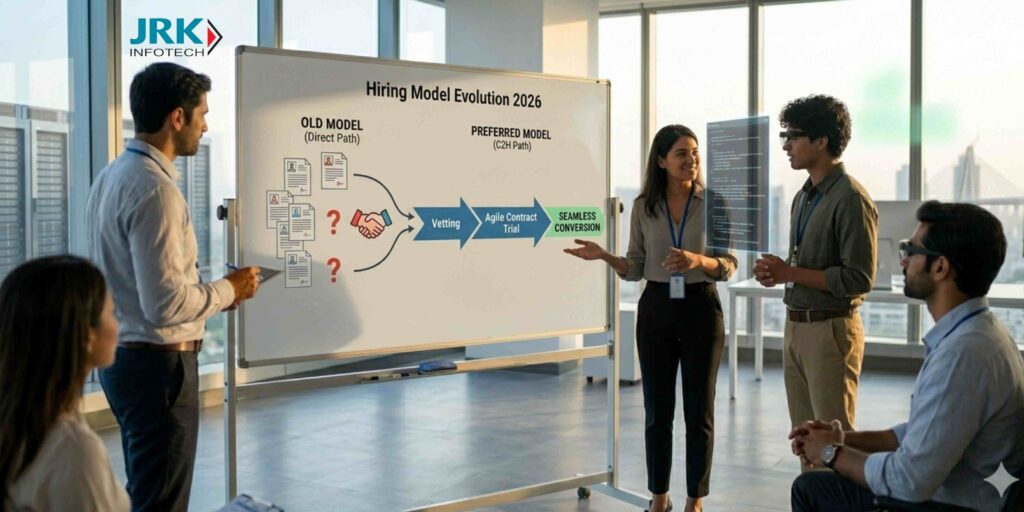
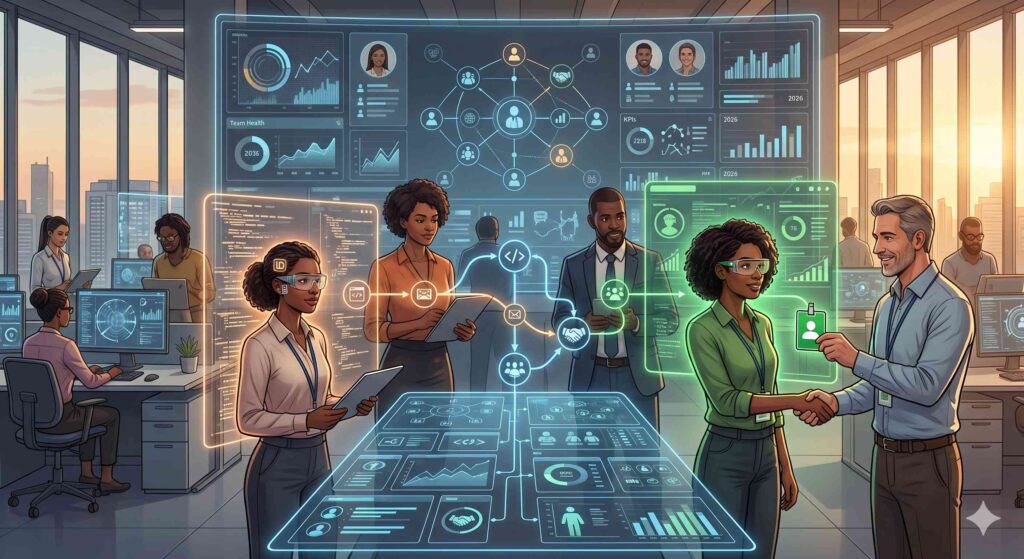
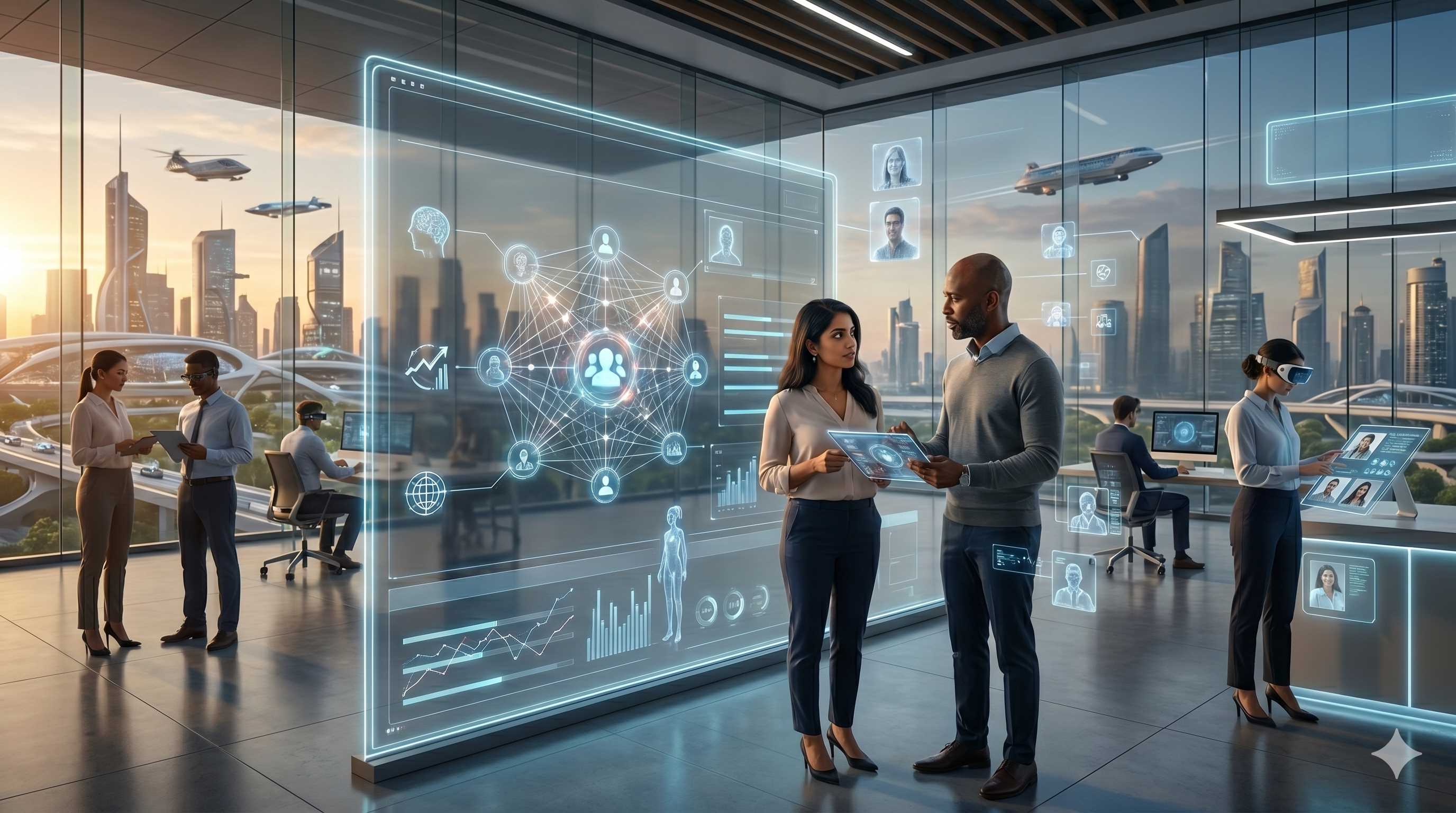
Remember the days when HR was primarily seen as an administrative function, buried under paperwork and compliance checks? Well, if you’re still thinking that way, it’s time to fast-forward to 2026. The future of HR isn’t just digital; it’s augmented. Smart companies are no longer just adopting technology; they’re seamlessly blending human intuition with cutting-edge AI to redefine how they attract, develop, and retain talent.
This isn’t about robots replacing people. It’s about empowering HR professionals with tools that amplify their impact, allowing them to shift from transactional tasks to truly strategic initiatives that drive business growth and cultivate an exceptional employee experience.
What Exactly is Augmented HR?
Augmented HR is the strategic integration of artificial intelligence, machine learning, and advanced analytics with human expertise and empathy within the HR function. It’s a partnership where technology handles the heavy lifting of data processing, pattern recognition, and predictive insights, while HR professionals focus on the uniquely human aspects: strategic thinking, complex problem-solving, emotional intelligence, coaching, and culture building.
Think of it as giving HR superpowers. Instead of spending hours sifting through resumes, an AI sifts and highlights the best fits. Instead of guessing why employees leave, AI predicts potential turnover based on a myriad of data points. This allows HR to be proactive, not just reactive.
Why Augmented HR is Critical for 2026 and Beyond
The world of work is evolving at an unprecedented pace. By 2026, companies will face a unique set of challenges and opportunities that demand a more sophisticated, data-driven, and human-centric approach to talent.
- Intensified Talent Competition: The war for skilled talent isn’t cooling down. Augmented HR helps companies identify, attract, and retain top performers more effectively and efficiently.
- Dynamic Work Models: Hybrid and remote work are here to stay, creating new complexities in engagement, performance management, and culture. AI can help bridge the geographical gaps and personalize experiences.
- Rising Expectations for Employee Experience: Employees expect more personalized, seamless, and supportive experiences from their employers. Augmented HR delivers this at scale.
- The Need for Data-Driven Decisions: Gut feelings are no longer enough. Companies need actionable insights to make informed decisions about workforce planning, diversity, and talent development.
- Elevating HR to a Strategic Business Partner: By automating routine tasks, HR professionals are freed up to contribute to the broader business strategy, focusing on innovation, culture, and employee well-being.
Key Pillars of Augmented HR in Action
How does this look on the ground? Here are some concrete examples of how smart companies are leveraging augmentation across various HR functions:
Recruitment & Onboarding: Smarter Sourcing, Seamless Starts
- AI-Powered Sourcing & Screening: AI algorithms can analyze vast pools of candidates, matching skills, experience, and even cultural fit against job requirements far faster and more objectively than a human ever could. This reduces bias and speeds up the hiring process.
- Personalized Candidate Experience: Chatbots handle initial inquiries, answer FAQs, and guide candidates through the application process 24/7, ensuring a positive first impression.
- Automated Onboarding Journeys: AI orchestrates personalized onboarding experiences, delivering relevant information, training modules, and introductions at the right time, ensuring new hires feel connected and productive from day one.
Performance Management & Development: Growth-Focused and Predictive
- Continuous Feedback Loops: AI tools can analyze communication patterns and project data to provide real-time, objective feedback, supplementing manager input and fostering a culture of continuous improvement.
- Personalized Learning Paths: Based on skill gap analyses and career aspirations, AI recommends tailored learning modules, courses, and development opportunities for each employee.
- Predictive Performance Insights: Algorithms can identify early indicators of disengagement or potential performance issues, allowing HR and managers to intervene proactively with support or resources.
Employee Experience & Engagement: Proactive Support and Deeper Connections
- AI-Powered HR Chatbots: These intelligent assistants provide instant answers to common HR queries (benefits, policies, time-off requests), freeing up HR staff for more complex issues.
- Sentiment Analysis: AI can analyze internal communications (with privacy safeguards) to gauge employee sentiment, identify emerging concerns, and help HR address issues before they escalate.
- Proactive Well-being Support: Tools can identify patterns that might indicate burnout or stress, prompting HR to offer resources or check-ins to support employee well-being.
HR Analytics & Predictive Insights: Beyond Reporting to Foresight
- Workforce Planning & Optimization: AI models predict future talent needs, identify potential skill shortages, and optimize staffing levels based on business forecasts.
- Turnover Prediction: Sophisticated algorithms analyze historical data, employee surveys, and other factors to predict which employees are at risk of leaving, enabling targeted retention strategies.
- Diversity, Equity, and Inclusion (DEI) Insights: AI can uncover unconscious biases in hiring, promotion, and compensation data, helping companies build more equitable workplaces.
The Human Element: What Does HR Do Now?
If AI is handling so much, what’s left for the human HR professional? This is where the true value of augmentation shines. HR’s role shifts from administrative gatekeeper to strategic architect:
- Strategic Partner: HR leaders become integral to business strategy, advising on organizational design, talent implications of business decisions, and future workforce needs.
- Culture Architect: Focusing on fostering a thriving, inclusive company culture that attracts and retains top talent.
- Empathy & Coaching: Providing the essential human touch – mediating conflicts, offering career coaching, and supporting employees through personal challenges.
- Ethical Oversight: Ensuring the responsible and ethical use of AI, safeguarding data privacy, and preventing algorithmic bias.
- Innovation & Change Management: Leading the charge in adopting new technologies and guiding the organization through transformative change.
Getting Ready for Augmented HR: Steps for Smart Companies
The future isn’t something that just happens; it’s built. For companies looking to thrive in 2026 and beyond, here’s how to start preparing for an augmented HR future:
- Embrace a “Future-Forward” Mindset: Recognize that HR is no longer just a support function but a strategic driver of organizational success.
- Invest in the Right Technology, Wisely: Don’t just buy shiny new tools. Identify your biggest HR pain points and seek solutions that genuinely augment human capabilities and integrate seamlessly.
- Upskill Your HR Professionals: Provide training on data literacy, AI ethics, change management, and strategic thinking. Equip them to partner with technology, not compete against it.
- Start Small, Scale Smart: Begin with pilot projects in specific HR areas (e.g., recruitment screening or chatbot support) to learn, refine, and demonstrate value before scaling across the organization.
- Focus on Data Governance & Ethics: Establish clear policies for data collection, usage, and privacy. Ensure your AI tools are fair, transparent, and bias-free.
The Augmented Future is Bright
The future of HR isn’t about technology replacing humans; it’s about technology empowering humans to be more strategic, empathetic, and impactful than ever before. By 2026, smart companies will be leveraging augmented HR to build more resilient, agile, and human-centric organizations. It’s an exciting time to be in HR, where innovation meets intuition to redefine the world of talent. Are you ready to augment your HR?
Frequently Asked Questions (FAQs) About Augmented HR
1. What exactly does “Augmented HR” mean?
Augmented HR refers to the integration of artificial intelligence, automation, and predictive analytics into human resources workflows. Rather than replacing the HR team, these technologies handle repetitive administrative tasks (like resume screening, scheduling, and basic onboarding), allowing HR professionals to focus entirely on high-level strategy, culture-building, and employee well-being.
2. Will AI eventually replace human HR professionals?
No. While AI is incredible at processing data, identifying patterns, and automating paperwork, it entirely lacks emotional intelligence. You cannot automate empathy, complex conflict resolution, or nuanced compensation negotiations. AI will replace the administrative tasks of HR, not the humans driving the culture.
3. How does predictive retention work without invading employee privacy?
Smart Augmented HR platforms in 2026 rely on anonymized metadata, not surveillance. The AI doesn’t read private Slack messages or emails. Instead, it looks at systemic patterns—such as a sudden 40% increase in weekend system logins across a specific department, or a drastic drop in calendar meeting participation—to flag teams that are showing symptoms of digital fatigue and impending burnout.
4. What is “agentic literacy” in the modern hiring process?
Agentic literacy is a candidate’s ability to effectively collaborate with autonomous AI agents and co-pilots to amplify their work. In 2026, it’s no longer just about what software you know; it’s about how efficiently you can use AI to automate your own workflows and achieve faster, higher-quality outputs.
5. Is Augmented HR only for massive enterprise companies?
Not anymore. While predictive analytics and AI agents used to require massive enterprise budgets, the rapid evolution of HR SaaS platforms in 2026 has democratized this technology. Small and medium-sized businesses (SMBs) can now access plug-and-play AI tools to automate onboarding and map candidate skills for a fraction of the cost of hiring a massive administrative HR team.