
The Future of C2H Recruitment in 2026
The world of work is constantly evolving, and nowhere is this more evident than in recruitment. As businesses navigate an increasingly dynamic landscape, one model continues to gain significant traction: Contract-to-Hire (C2H). But what will C2H recruitment look like just a few short years from now, in 2026?
Get ready, because the future isn’t just coming – it’s already knocking. In 2026, C2H won’t just be a popular option; it will be a cornerstone of strategic talent acquisition, heavily influenced by technology, data, and a renewed focus on the human element.
What is C2H Recruitment, and Why Does it Matter?
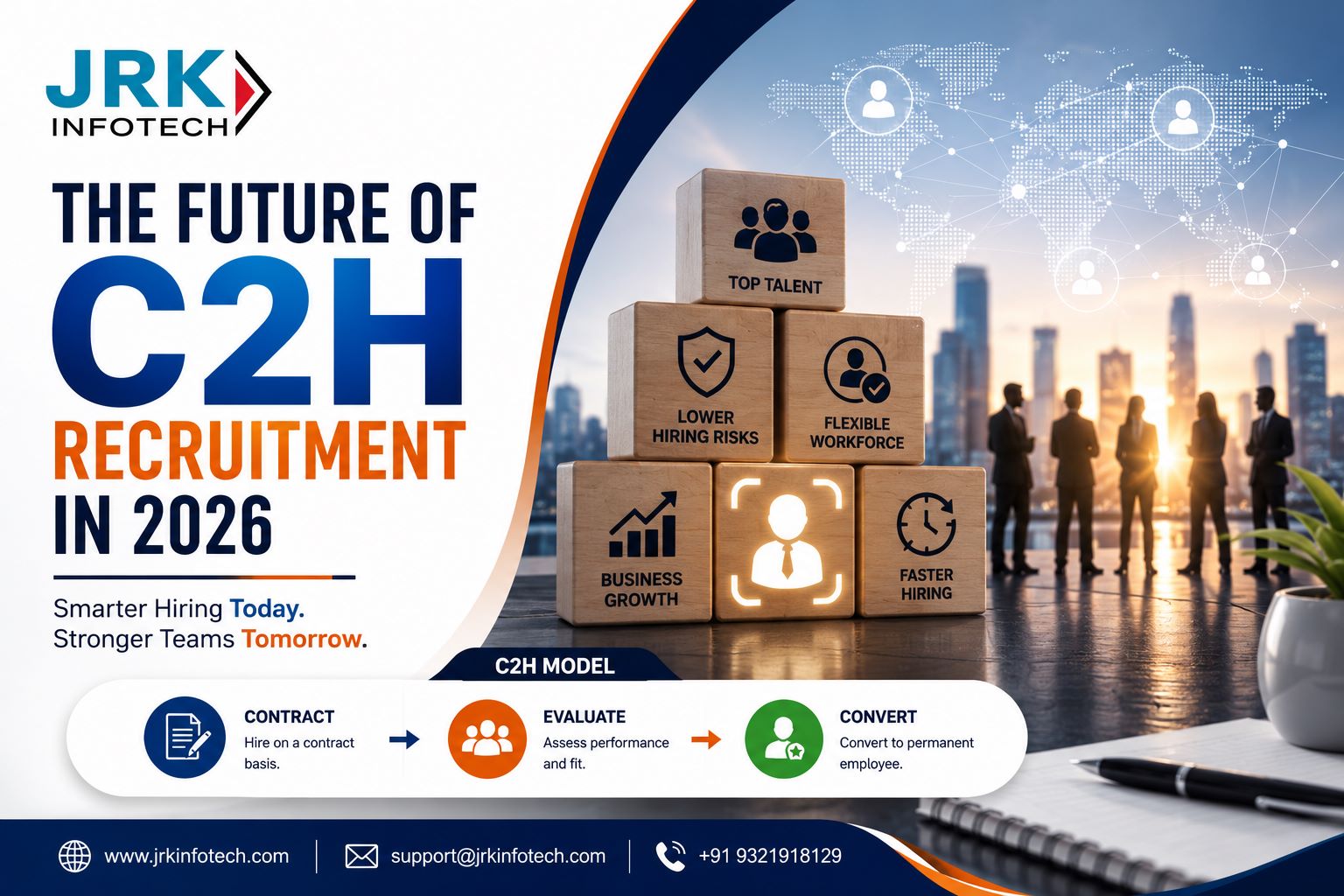
Before we gaze into the crystal ball, let’s quickly define C2H. Contract-to-Hire recruitment is a model where an individual is initially hired for a contract period, with the mutual understanding that if both parties are a good fit, the position can transition into a permanent role.
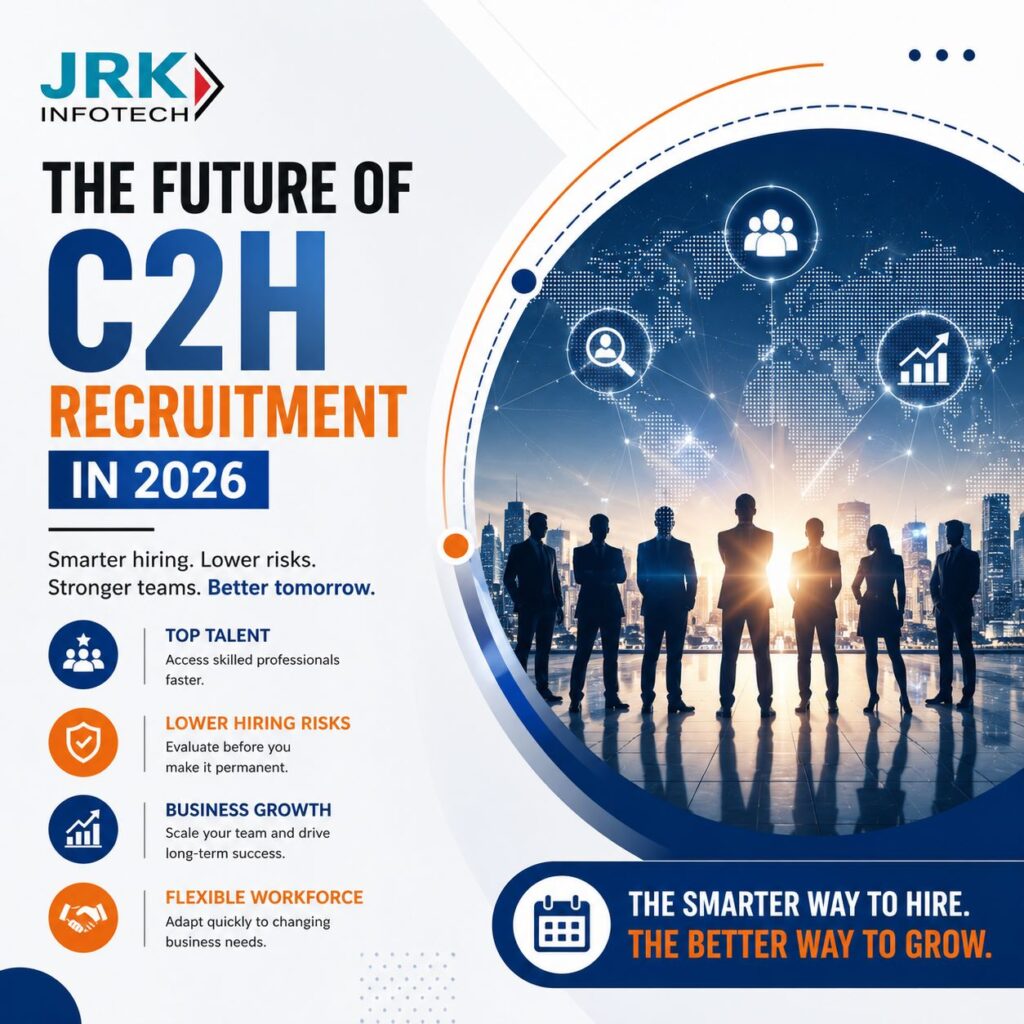
This “try before you buy” approach offers immense benefits:
- For Companies: It mitigates hiring risks, allows for evaluation of skills and cultural fit in a real-world setting, and provides flexibility to scale teams up or down.
- For Candidates: It offers a pathway to permanent employment, allows them to test out a company’s culture and responsibilities, and provides valuable experience even if the permanent offer doesn’t materialize.
The growing volatility of the global economy, coupled with persistent skill gaps, has propelled C2H into the spotlight. By 2026, these drivers will only intensify, making C2H an even more critical component of talent strategies.
Key Trends Shaping C2H Recruitment in 2026
The next few years will see C2H recruitment transform, driven by technological advancements, evolving workforce expectations, and a data-first mindset.
The Rise of Hyper-Personalized Candidate Experiences
In 2026, the days of generic job applications and impersonal communication will be long gone. C2H recruitment will leverage technology to create highly personalized journeys for candidates, ensuring a smoother transition from contract to permanent.
- Tailored Communication: AI-powered tools will deliver customized job alerts, onboarding information, and feedback based on a candidate’s skills, preferences, and progress.
- Transparent Pathways: Companies will provide clear roadmaps detailing performance expectations, conversion criteria, and timelines for transitioning from contract to permanent status. This transparency builds trust and reduces anxiety.
AI and Automation: From Sourcing to Conversion
Artificial intelligence and automation are already impacting recruitment, but by 2026, their integration into C2H processes will be seamless and sophisticated.
- Intelligent Sourcing & Matching: AI algorithms will go beyond keywords, analyzing skills, experience, cultural fit indicators, and potential for growth to match candidates with C2H roles more accurately. This reduces bias and improves initial fit.
- Automated Interview Scheduling & Chatbots: Administrative tasks will be heavily automated, freeing up recruiters to focus on strategic engagement. Chatbots will handle initial queries, guide candidates through application processes, and provide instant updates.
- Predictive Analytics for Retention: AI will analyze performance data during the contract period to predict the likelihood of successful conversion to a permanent role, helping companies intervene early if issues arise or confidently extend offers.
Data-Driven Decisions: Beyond Gut Feelings
Recruitment in 2026 will be far more data-intensive. For C2H, this means leveraging analytics to optimize every stage of the process.
- Performance Metrics: Companies will track key performance indicators (KPIs) for contract employees, not just for the duration of the contract but also post-conversion, to understand the long-term success rates of their C2H programs.
- Conversion Rate Optimization: Data will inform best practices for converting contract employees to permanent hires, identifying what factors lead to successful transitions and what might hinder them.
- Candidate Experience Analytics: Feedback loops and sentiment analysis will measure candidate satisfaction throughout the C2H journey, allowing organizations to continuously refine their processes.
Upskilling and Reskilling as a Strategic Imperative
The C2H model in 2026 will increasingly integrate learning and development. Companies will view contract periods not just as evaluations, but as opportunities for growth.
- Integrated Learning Platforms: Organizations will offer contract workers access to internal learning platforms and external courses, helping them acquire new skills relevant to the permanent role or future company needs.
- Clear Development Pathways: C2H programs will often include structured mentorship and training plans designed to ensure contract employees are well-prepared for the responsibilities of a permanent position. This investment signals commitment and enhances retention.
The Dominance of Hybrid and Remote C2H Roles
The shift to hybrid and remote work models, accelerated by recent global events, is here to stay. By 2026, C2H recruitment will fully embrace this flexibility.
- Expanded Talent Pools: Companies will no longer be limited by geography, opening up vast global talent pools for C2H roles. This is particularly beneficial for niche skills.
- Global Compliance & Support: The increase in remote C2H will necessitate sophisticated systems for managing international contracts, compliance, and payroll, often facilitated by specialized recruitment partners.
- Virtual Onboarding & Engagement: Robust virtual onboarding programs and ongoing digital engagement strategies will be crucial to integrate remote contract workers effectively into company culture.
Challenges and How to Navigate Them
While the future of C2H is bright, challenges remain.
- Maintaining Engagement: Ensuring contract workers feel valued and connected to the company, even before becoming permanent employees, is crucial. Regular check-ins, team integration, and clear communication are key.
- Seamless Transition: The administrative and emotional shift from contract to permanent can be complex. Streamlined HR processes and supportive internal communication will be vital.
- Legal & Compliance Complexity: As C2H scales globally, navigating diverse labor laws, tax implications, and worker classification rules will require expert guidance and robust systems.
Preparing for 2026: A Roadmap for Success
To thrive in the future of C2H recruitment, businesses and recruiters need to act now.
- Invest in Recruitment Technology: Embrace AI, automation, and data analytics tools that can streamline processes and provide deeper insights.
- Prioritize Candidate Experience: Design C2H journeys that are transparent, personalized, and supportive, from initial contact to potential conversion.
- Develop Clear Conversion Pathways: Outline explicit criteria and support structures for contract-to-permanent transitions.
- Embrace Flexibility & Remote Work: Adapt your C2H strategy to leverage expanded talent pools and accommodate flexible work arrangements.
- Focus on Skill Development: Integrate learning and development opportunities into your C2H programs to future-proof your workforce.
The Human Touch Amidst the Tech
While technology will undoubtedly reshape C2H recruitment by 2026, the human element will remain paramount. Recruiters will evolve from administrators to strategic talent advisors, focusing on building relationships, understanding complex candidate motivations, and ensuring cultural alignment. The blend of cutting-edge tech and genuine human connection will define successful C2H strategies in the years to come.
The future of C2H recruitment in 2026 is one of efficiency, insight, and opportunity. Are you ready to embrace it?
Frequently Asked Questions (FAQs)
1. What is C2H recruitment?
C2H (Contract-to-Hire) recruitment is a hiring model where a candidate is initially hired on a contract basis. After a successful evaluation period, the employer may offer a permanent position based on the candidate’s performance and business requirements.
2. Why is C2H recruitment becoming popular in 2026?
Businesses are adopting C2H recruitment because it offers greater flexibility, faster hiring, lower recruitment risks, and the opportunity to evaluate candidates before making a long-term commitment.
3. What are the benefits of C2H recruitment for employers?
C2H recruitment helps employers:
- Reduce hiring risks
- Fill positions faster
- Access specialized talent
- Improve hiring quality
- Scale teams based on project needs
- Optimize recruitment costs
4. How does C2H recruitment benefit job seekers?
Job seekers gain valuable work experience, develop industry skills, build professional networks, and have the opportunity to transition into a permanent role based on their performance.
5. Which industries commonly use C2H recruitment?
C2H recruitment is widely used in:
- Information Technology (IT)
- Banking & Financial Services
- Healthcare
- Manufacturing
- Engineering
- Telecommunications
- Retail & E-commerce
- Logistics and Supply Chain
6. How long does a C2H contract typically last?
A C2H contract usually lasts between 3 and 12 months, depending on the employer’s hiring process, project requirements, and business needs.
7. Is C2H recruitment better than permanent hiring?
It depends on your hiring goals. C2H recruitment is ideal when businesses want to evaluate candidates before offering a permanent role, while permanent hiring is better suited for long-term positions that require immediate commitment.
8. How can businesses make the most of C2H recruitment?
To maximize success, businesses should define clear job expectations, partner with experienced staffing agencies, provide structured onboarding, and regularly assess employee performance during the contract period.
9. Will C2H recruitment continue to grow in the future?
Yes. As companies focus on workforce flexibility, faster hiring, and skills-based recruitment, C2H recruitment is expected to remain one of the fastest-growing hiring models in the coming years.
10. How do I choose the right C2H recruitment partner?
Look for a recruitment partner with:
- Proven industry experience
- A strong talent network
- Fast hiring capabilities
- Transparent recruitment processes
- Flexible staffing solutions
- Excellent client support