
10 IT Staffing Trends Reshaping Tech Teams in 2026

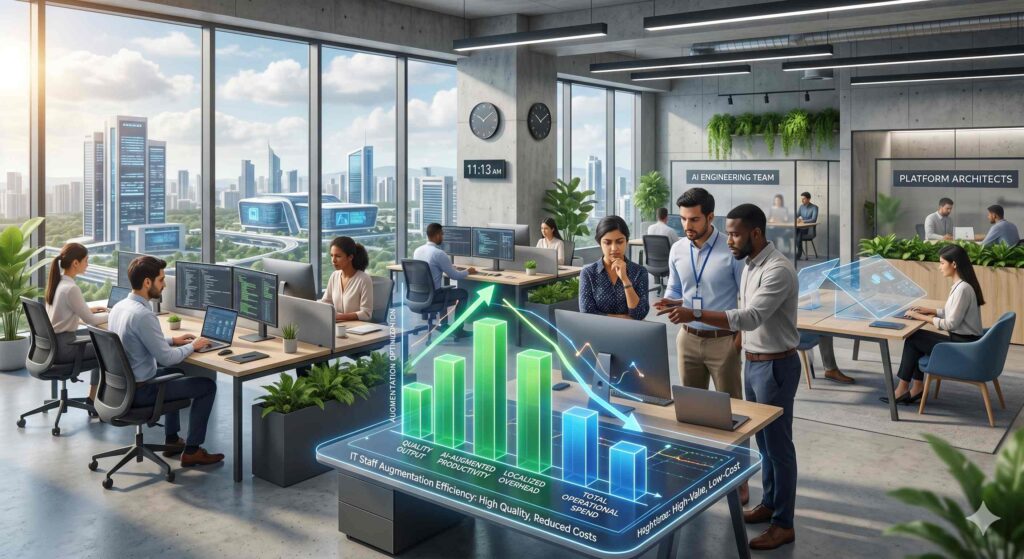
The tech world never stands still, and neither does the way we build and manage our IT teams. As we hurtle towards 2026, the landscape of IT staffing is undergoing a radical transformation, driven by new technologies, evolving work models, and a fierce battle for top talent.
For businesses to thrive and innovate, understanding these shifts isn’t just an advantage – it’s a necessity. Are you ready to future-proof your tech team? Let’s dive into the top 10 IT staffing trends that will reshape how you find, hire, and retain the best IT professionals.
Top 10 IT Staffing Trends Reshaping Tech Teams in 2026
1. The Rise of AI in Recruitment and Talent Management
Artificial intelligence is no longer just a buzzword; it’s becoming an indispensable tool in IT staffing. By 2026, AI-powered platforms will streamline everything from candidate sourcing and initial screening to interview scheduling and even predicting job success. This means faster hiring cycles, reduced bias (when implemented correctly), and a more personalized experience for candidates. Think intelligent chatbots guiding applicants and predictive analytics identifying skill gaps before they become critical.
2. Hyper-Specialization and Niche Skill Demand
While broad IT knowledge is always valuable, the demand for highly specialized skills is skyrocketing. We’re talking about experts in areas like quantum computing security, AI ethics, blockchain development, advanced data science, and specific cloud platform architects. Companies will increasingly seek individuals with deep expertise in these niche fields, making targeted recruitment strategies crucial. This trend emphasizes the need for continuous learning and development within existing teams.
3. The Blended Workforce Model Becomes the Norm
The traditional full-time, in-office employee is just one piece of the puzzle. By 2026, most tech teams will operate as a “blended workforce,” seamlessly integrating full-time employees, contractors, freelancers, and project-based consultants. This agile approach allows companies to scale up or down quickly, access specialized skills on demand, and optimize costs. Managing this diverse workforce effectively will require sophisticated collaboration tools and flexible HR policies.
4. Focus on Upskilling and Reskilling Existing Talent
With the rapid pace of technological change and the scarcity of niche skills, businesses are realizing the immense value of their current employees. Instead of always looking externally, companies will heavily invest in upskilling and reskilling programs. This trend boosts employee retention, fosters loyalty, and creates a more adaptable workforce. Internal mobility and career pathing will become key components of any forward-thinking IT staffing strategy.
5. Data-Driven Staffing Decisions
Gut feelings and anecdotal evidence are out; data analytics are in. From understanding candidate pipelines and optimizing sourcing channels to predicting turnover rates and assessing team performance, data will drive every IT staffing decision. HR and recruitment teams will leverage advanced analytics to identify patterns, make informed forecasts, and continuously refine their strategies for greater efficiency and effectiveness.
6. Emphasis on Soft Skills and Emotional Intelligence
Technical prowess remains essential, but the ability to collaborate, communicate effectively, adapt to change, and demonstrate emotional intelligence is gaining equal footing. In complex, agile tech environments, teams need members who can navigate interpersonal dynamics, resolve conflicts, and contribute to a positive team culture. Recruiters will increasingly assess candidates for these crucial soft skills alongside their technical capabilities.
7. Global Talent Pools and Borderless Hiring
Remote work has shattered geographical barriers, opening up vast global talent pools. By 2026, companies will routinely recruit IT professionals from anywhere in the world, not just their local market. This trend offers access to a wider, more diverse range of skills and perspectives, often at more competitive rates. However, it also brings challenges related to time zones, cultural differences, and international compliance.
8. The Gig Economy’s Maturation within IT
The gig economy is evolving beyond simple freelance tasks. We’ll see a maturation of project-based IT work, with platforms connecting highly skilled IT consultants and fractional executives to specific projects. This model offers flexibility for both talent and companies, allowing businesses to bring in top-tier expertise for defined periods without the long-term commitment of a full-time hire.
9. Enhanced Candidate Experience and Employer Branding
In a competitive market, candidates hold more power than ever. Companies that treat the recruitment process like a customer journey – offering clear communication, timely feedback, and a positive experience – will attract and retain top talent. A strong employer brand, showcasing company culture, values, and growth opportunities, will be critical in differentiating organizations and drawing in desired IT professionals.
10. Ethical AI and Data Privacy in IT Staffing
As AI becomes more integrated into staffing, the ethical implications and data privacy concerns will move front and center. Companies will need to ensure their AI tools are unbiased, transparent, and compliant with evolving data protection regulations (like GDPR or CCPA). Trust and fairness in AI-driven recruitment processes will be paramount to maintaining a positive employer brand and avoiding legal pitfalls.
Preparing for the Future of IT Staffing
The IT staffing landscape of 2026 will demand agility, strategic foresight, and a human-centered approach combined with cutting-edge technology. Businesses that embrace these trends – by investing in AI tools, fostering internal growth, building diverse teams, and prioritizing candidate experience – will be better positioned to attract, develop, and retain the tech talent essential for future success.
The future is bright for those ready to adapt. Is your organization prepared to reshape its tech teams for 2026 and beyond?