

How Enterprises Balance Speed, Cost, and Quality Using IT Staff Augmentation
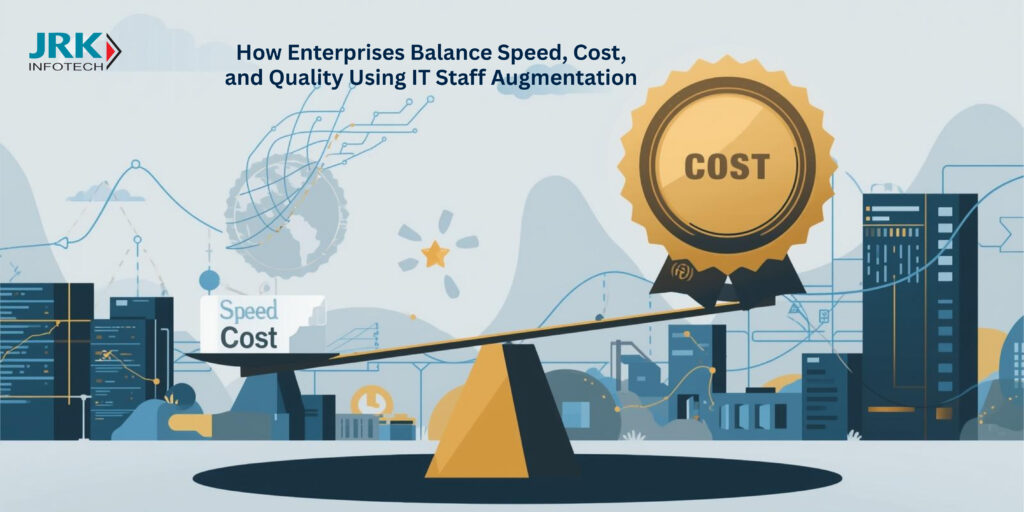
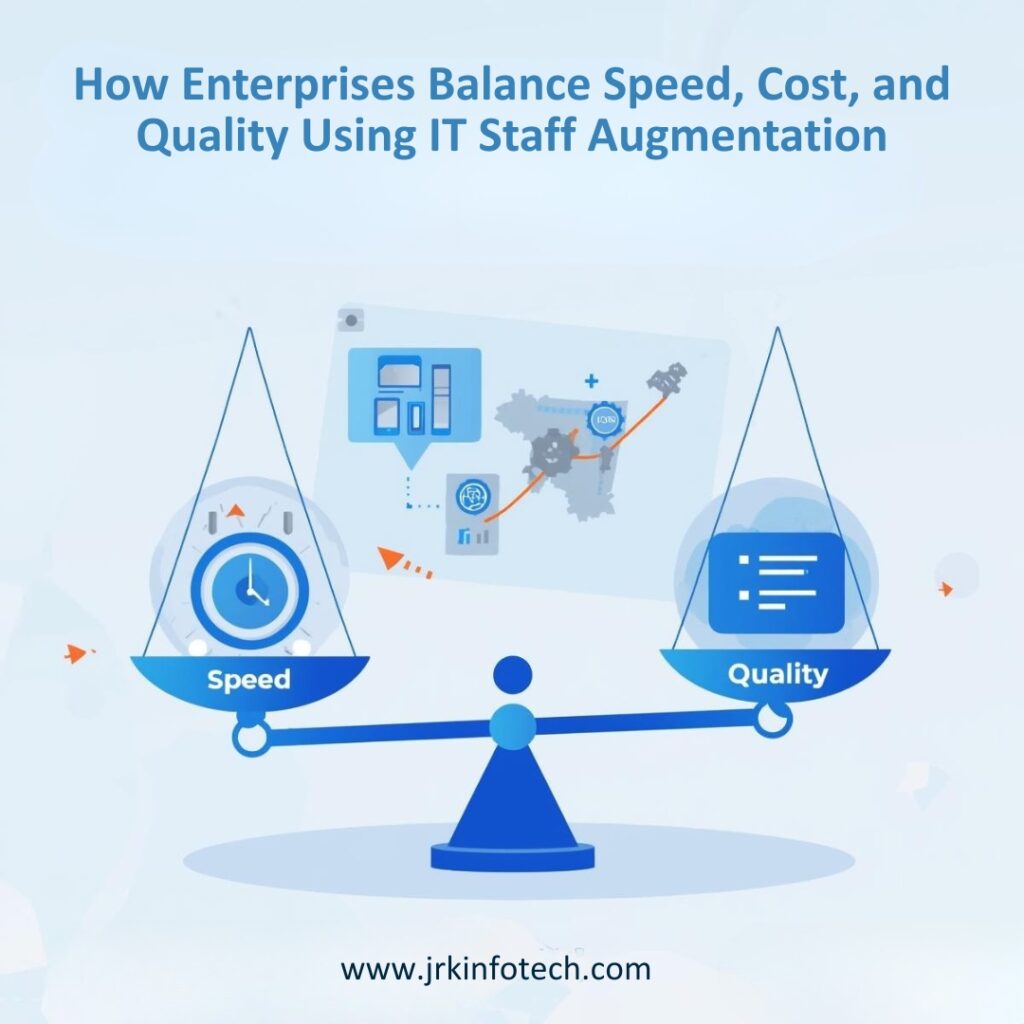
In today’s hyper-competitive digital landscape, enterprises face constant pressure to deliver IT projects faster, more cost-effectively, and with uncompromising quality. Balancing these three factors—speed, cost, and quality—is often a delicate act, especially when dealing with complex technology implementations or rapid innovation cycles. IT staff augmentation has emerged as a powerful strategy that helps businesses achieve this balance by providing flexible access to skilled talent exactly when and where it’s needed.
This article explores how enterprises use IT staff augmentation to optimize project outcomes, overcome resource constraints, and stay agile in a fast-changing environment.
The Challenge: Speed vs Cost vs Quality
Enterprises often find themselves caught in a “triple constraint” dilemma:
- Speed: Accelerating project delivery is critical to capitalize on market opportunities and meet business demands.
- Cost: Budgets are finite, and controlling labor costs while ensuring ROI is paramount.
- Quality: Delivering high-quality software or infrastructure is essential to avoid rework, maintain user satisfaction, and comply with regulations.
Traditional hiring or outsourcing approaches frequently fall short in meeting all three objectives simultaneously. Permanent hires require long lead times and create fixed costs. Outsourcing partners may provide cost savings but sometimes sacrifice quality or responsiveness.
Why IT Staff Augmentation Works
IT staff augmentation strikes a unique balance by supplementing internal teams with external professionals who are:
- Highly Skilled: Experts who bring specialized knowledge and proven experience.
- Flexible: Engaged on-demand for specific projects or skill sets, avoiding overstaffing.
- Aligned: Integrated with the internal team’s culture, processes, and goals.
This model enables enterprises to dynamically adjust resource levels, speed up hiring, and maintain direct control over quality.
Speed: Accelerating Project Delivery
One of the key benefits of IT staff augmentation is dramatically reducing time-to-hire. Staffing agencies and partners maintain talent pools of pre-vetted professionals ready to deploy. This agility allows enterprises to:
- Onboard developers, testers, or cloud engineers within weeks instead of months.
- Quickly fill unexpected skill gaps that arise mid-project.
- Scale resources during peak demand periods such as product launches or migrations.
Faster access to talent helps avoid project delays, keeps timelines intact, and improves business responsiveness.
Cost: Optimizing Labor Spend
Cost control is a major consideration, especially for enterprises managing multiple simultaneous IT initiatives. Staff augmentation offers:
- Variable Cost Structure: Pay only for the resources you need, when you need them—eliminating fixed salary and benefits overhead.
- Reduced Recruitment Expenses: Staffing partners handle sourcing, screening, and onboarding, lowering HR burden and associated costs.
- Lower Risk of Overstaffing: Scale down augmented teams as projects complete, avoiding excess payroll.
This model makes budgeting predictable and flexible, supporting efficient capital allocation.
Quality: Ensuring High Standards
Quality remains non-negotiable, especially for mission-critical projects. IT staff augmentation supports quality through:
- Specialized Expertise: Access to professionals with deep domain knowledge, certifications, and industry experience.
- Seamless Integration: Augmented staff work closely with internal teams, following established workflows, coding standards, and quality assurance processes.
- Continuous Collaboration: Close communication reduces misunderstandings, accelerates problem resolution, and ensures alignment on deliverables.
By embedding experts who understand enterprise requirements, augmented teams maintain high standards without sacrificing speed or cost.
Real-World Use Cases
Many enterprises leverage IT staff augmentation in scenarios such as:
- Cloud Migration Projects: Bringing in cloud architects and engineers temporarily to support complex migration tasks.
- Application Development: Supplementing in-house developers with specialists in AI, data science, or mobile development.
- Cybersecurity Enhancements: Augmenting security teams with ethical hackers and compliance experts during audits or incident response.
- ERP & CRM Implementations: Adding experienced consultants for configuration, customization, and training phases.
These examples highlight the versatility and strategic impact of staff augmentation across various IT domains.
Best Practices for Success
To maximize benefits, enterprises should:
- Choose Trusted Staffing Partners: Work with providers who understand your business, culture, and technology stack.
- Define Clear Roles and Expectations: Set goals, deliverables, and communication protocols upfront.
- Invest in Onboarding: Provide augmented professionals with access to necessary tools, documentation, and training.
- Foster Team Integration: Encourage collaboration and inclusion to build trust and knowledge sharing.
- Monitor Performance Continuously: Use metrics and feedback loops to ensure quality and productivity targets are met.
Conclusion
Balancing speed, cost, and quality is a constant challenge for enterprise IT teams. IT staff augmentation offers a practical, scalable solution that empowers businesses to deliver projects faster, optimize spending, and maintain rigorous quality standards. By strategically integrating augmented professionals, enterprises can build agile, resilient teams prepared to meet today’s evolving technology demands and tomorrow’s innovation opportunities.



3 Comments
Carolina1454
February 5, 2026Monetize your traffic with our affiliate program—sign up now!
hello world
March 17, 2026hello world
hello world
lasix medicine
March 21, 2026lasix medicine
lasix medicine